
Dancing With Disaster
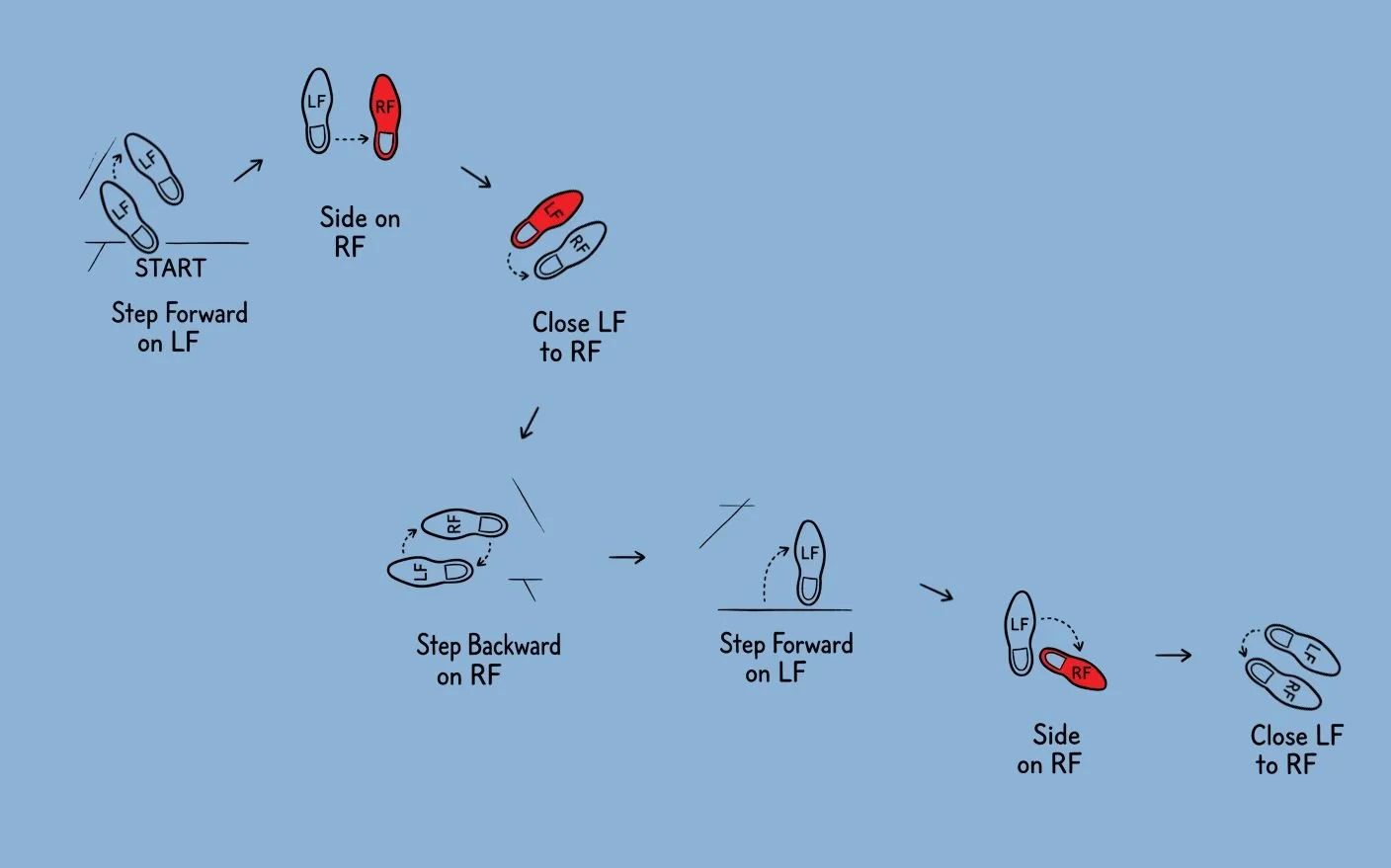
Here's a step-by-step guide to dance into an investing disaster:
Invest a lot of money
Make it someone else's money — borrow it if you can
Don't earn it back
Seems obvious. We're in a universe where hyperscalers — Alphabet (Google), Amazon, Meta (Facebook), Microsoft and Oracle — plan to spend more money than anyone's ever spent on any sort of commercial project ever. They're going to spend it on compute to power AI and its applications. It's a good habit to think about whether they'll make that money back.
Lamplighter's made the case why Amazon and Alphabet looked like a good deal earlier this year — investors were selling for suspect reasons. But if Amazon and Alphabet work as investments, what about the rest of the hyperscalers? Did Lamplighter just choose the first two from the list?
Tippy toes
Michael Mauboussin penned a piece that strolled through Return on Incremental Invested Capital last month. His work points out two things that help explain Lamplighter's choice.
Hyperscalers are earning a tremendous return on their investment
Of all the hyperscalers, investors have been most wrong about Amazon and Alphabet — they’ve been wrong in a way that leaves the floor open for investment
Mike goes through each of the companies and a clutch of other tech shops and evaluates how well they've done putting money to work. He specifically checks how well they've done on each new dollar of investment spending. That's "return on incremental invested capital," ROIIC. On that mark, Meta tops everyone. Its earned 57% on its investment in this era. Alphabet and Amazon follow in second and third. You can start to see one of the ways Lamplighter narrowed down its list: we want to buy the best companies!
The other guys aren't doing too bad though. Investors expect Microsoft and Oracle to improve that measure a lot by 2030. Meta is doing great today, but investors expect it to slow down the most over the next several years.
The investment trade-off is: we also don't want to pay too much for great companies. That's a bit trickier. Alphabet is the most expensive based on today's earnings. Meta and Amazon don't scream "cheap" either.
To get there, we use another step from Michael's analysis. He covers how far investor expectations have travelled. What did investors a year ago expect the companies to look like today? And what did they expect farther out — for 2027…2028…all the way to 2030? How has that changed in the past year?
Investor expectations were most wrong about Alphabet and Amazon. Expectations for those businesses have sped up the tempo. Fast. They now expect Amazon to earn 21% more over the next five years than they thought it would a year ago. They expect Alphabet to earn 45% more.
That uncertainty feeds into value. It holds it back. More uncertainty means a wider possible range of value. That range is one of the spaces Lamplighter works to find investment opportunities.
First position
All the hyperscalers took the first step in the dance. They spent. The group is making the biggest commercial bets in history. Alphabet and Amazon went on to take step 2 — they borrowed. So far, they've danced their way around disaster. They're earning great returns today. Investors think that'll continue for the next few years at least.
Amazon and Alphabet haven't earned back their money on investment, yet. There's still a future where they're hurtling towards financial disaster. The results, though, point in a different direction. Amazon and Alphabet earn some of the highest returns on their spending. They're also the ones that confounded investors the most. That space between high performance and high investor uncertainty is a good place to hunt for opportunity.
Disclaimer: None of this is investment advice. It's meant to illustrate ways LCM thinks about investing. Things that LCM decides are good investments for LCM and its clients are based on many criteria, not all of which are covered here. Some or all of LCM's ideas may not be suitable for other investors. LCM does not recommend investing either long or short any position mentioned. LCM may own positions in some of the companies mentioned. Some of its ideas will lose money — investing entails risk. See full disclaimer here.