
Spot the Difference
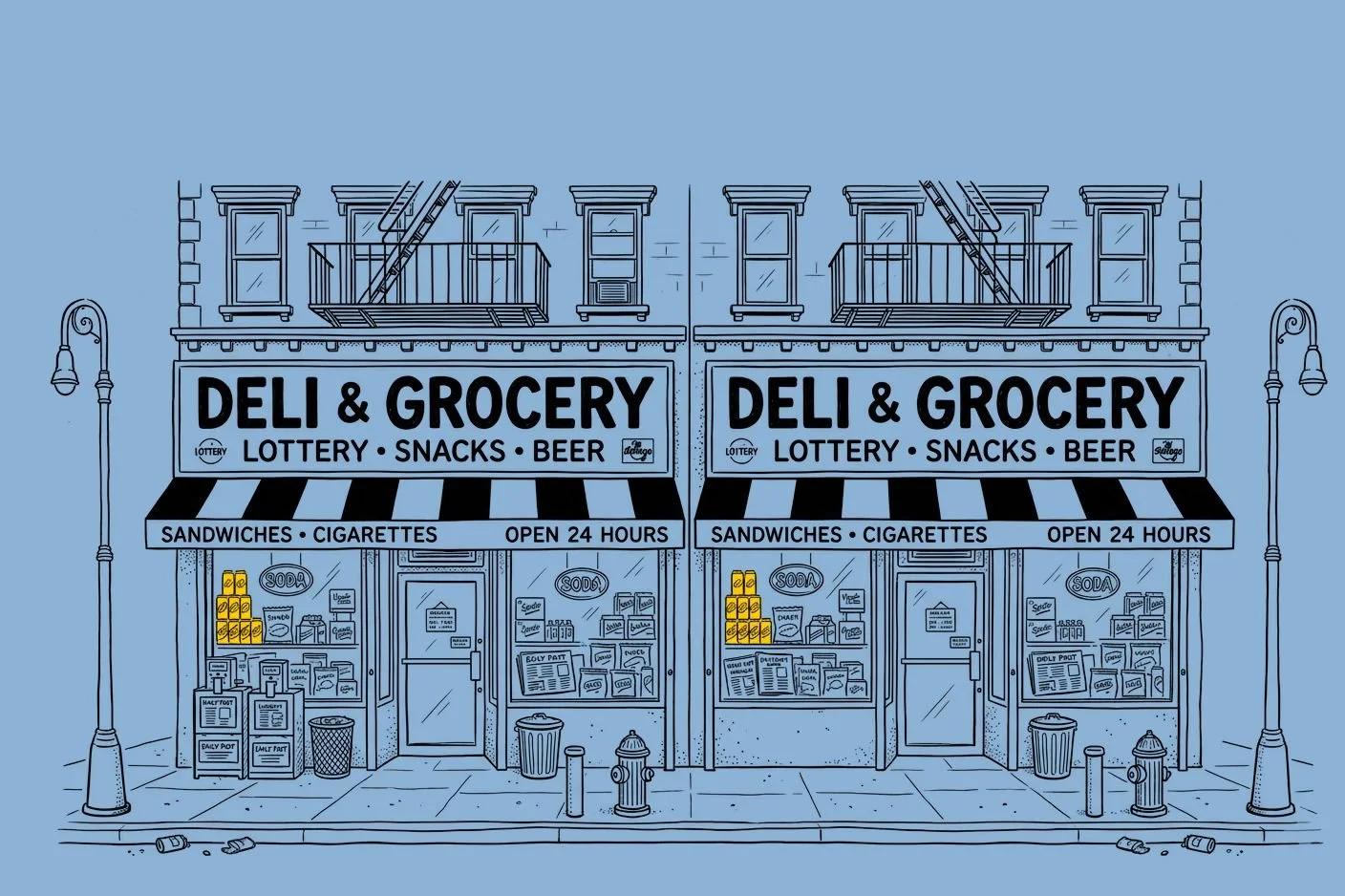
In the biting mid-aughts sitcom, The Office, one episode had Creed, an incompetent eccentric, fill in as the regional manager in a pinch. The receptionist/hero, Pam, brought him an assignment to keep his ineptitude from taking the whole enterprise under. She handed him two images and an urgent mission "Corporate needs you to find the difference between these two pictures." The scene then cuts away to just Pam where she reassures the audience "They're the same picture." If you've spent time on the internet, you may have come across this meme.
Anyway, the market wants you to find the difference between these two stories…
Pay the bills
A year ago, congress passed the One Big Beautiful Bill. Among accelerating the national debt, cutting healthcare coverage and reducing assistance to low-income families, it also imposed a tax on cash remittance transfers from the US to foreign countries. The tax was 1% on the cash transfer amount.
A typical money transfer customer walks into a shop, hands over cash and money goes to their relatives back home. Minus a fee, typically a few percent. After the tax went into effect, if the businesses bore the entire 1% tax, that would wipe out just about all of their margin. Customers don't want to pay an extra 1% either, they also don't like taxes.
This is bad for cash transfer businesses. Shares in the classic money transfer business, Western Union, fell 16% over the past year. IDT — a resident in the Lamplighter portfolio — also runs one of these businesses.
Second story
Here's the second story: the bill introduced a 1% tax on cash remittance transfers from the US to foreign countries. This was great for digital money transfer businesses. With the stroke of a pen the government came in and kneecapped competition that lagged investing in tech. This is good for digital money transfer businesses. You might have heard "mobile" apps are *quite* popular.
IDT also runs one of these businesses — a digital money transfer business. Digital transfers have lower overhead. They make more money on those than in-person ones. It's a nimbler business too — if a customer moves to a new neighborhood, they can still use the same app. They might not be able to walk into the same shop.
IDT's traditional money transfer business is struggling. Its digital money transfer business is booming. How'd investors take this? IDT's also down over the past year. It's down by 16%. Oops.
Right now, investors care more about the drag on the traditional business. But so far, the gain in the digital business — send volume up 40%, digital revenue up 27%, margins up 4% — have more than made up for the loss.
Checkout
IDT has other businesses too. Like its money transfer business, it looks like the market is sleeping on those too. In the meantime, shares offer investors the chance to spot the difference in value between a melting ice cube and a thriving business.
Disclaimer: None of this is investment advice. It's meant to illustrate ways LCM thinks about investing. Things that LCM decides are good investments for LCM and its clients are based on many criteria, not all of which are covered here. Some or all of LCM's ideas may not be suitable for other investors. LCM does not recommend investing either long or short any position mentioned. LCM may own positions in some of the companies mentioned. Some of its ideas will lose money — investing entails risk. See full disclaimer here.