
The Investment with a Thousand Faces
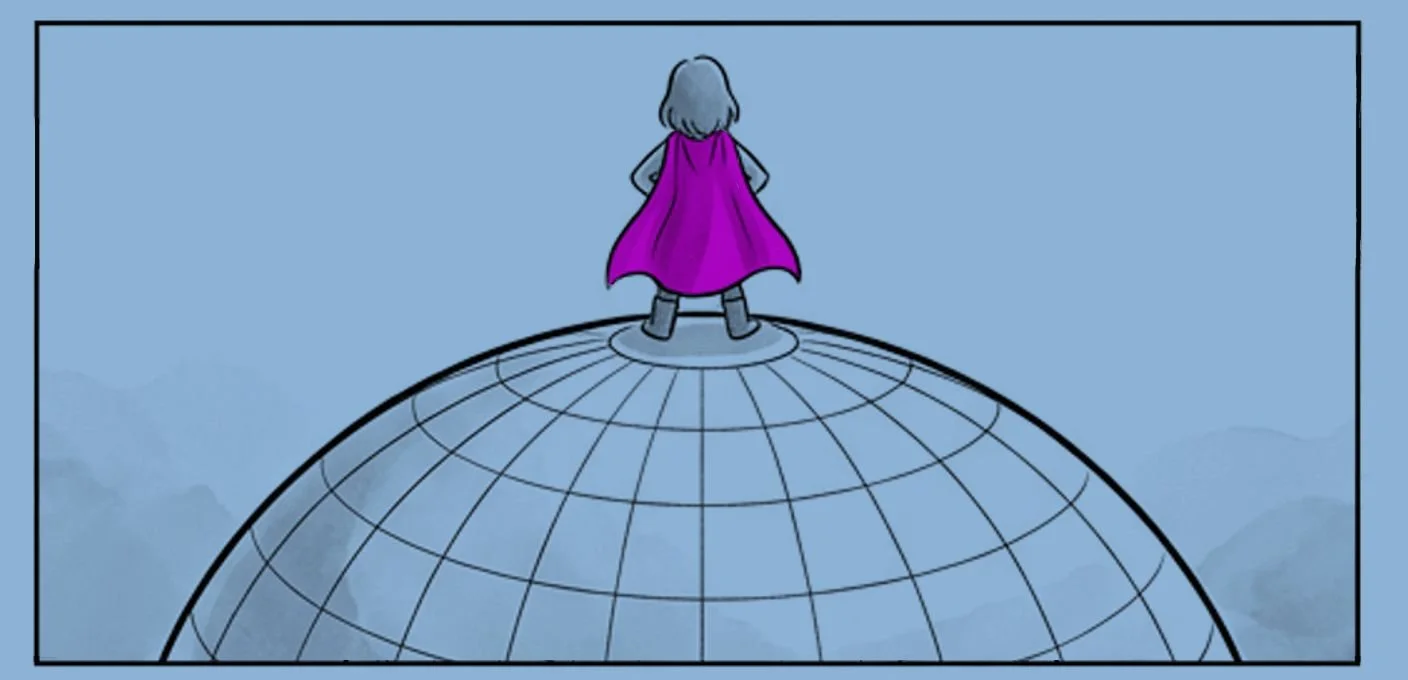
Joseph Campbell published "The Hero with a Thousand Faces" in 1949. Joe described the monomyth used around the world in different cultures across different times. He made the case that they all used hero stories to connect values with people. Stories helped people care. Joe broke it down into three simple acts:
Departure — the hero leaves her familiar world
Trials — she faces adversity in a new, special world
Return — she comes back to her familiar world, but changed because of her adventure
He went into detail on lots of smaller parts to the story, but this is the most basic outline. The framework describes lots of classics: The Odyssey, King Arthur, Star Wars, most of Lamplighter's investments…
Huh?

Departure
People put a lot more weight behind stories than statistics. The wedge between the ideal that markets cooly calculate values based on an unbiased evaluation of facts and probabilities and the reality that they, uh, sometimes don't do that and don't do it in loosely predictable ways is the whole investing opportunity.
Psychologist Amos Tversky said "people predict by making up stories." In theory, share prices equal the present value of a company's future expected cash flows discounted for risk. Lamplighter talks a lot about investors' expectations. Do investors chisel those expectations from rigid analysis of the facts? Sure. Do they come from complete delusion? Also yes. There are stories around those expectations. In the real world, those future expected cash flows are often more story than science. There’s opportunity there.

Trials
Expectations move around all the time based on a lot of things. Lamplighter looks to catch companies at just the right point in the story, but where other investors might be a bit behind. Here are three recent stories that caught Lamplighter's eye:
It found a specialty pipe company supplying the natural gas industry. That industry hit some bumps (departure). The company restructured its debt (adversity). Its creditors still hold a large ownership stake and are actively trying to get out. Meanwhile, the business shed its debt and has found new life as a supplier to enhanced geothermal energy projects (return).
It found a company that platforms software projects in highly regulated/high-consequence industries. The market threw it in a pile with "vaguely software" companies. A threat of AI disruption sent software companies into a tailspin (departure). The company's value never came from software. The company re-oriented around a new AI friendly model with a new CEO (adversity). Those efforts are nascent, but the results all point in a positive direction (return).
It found a silicon wafer company that specialized in materials for mobile phones. COVID sent customer demand soaring (departure). Mobile phone makers over-ordered. Demand nose-dived. The company's legacy business base eroded (adversity). It found new traction with photonics solutions for data centers (return).

Return
Stock prices aren't the discounted future cash flows of a business, they're the stories investors tell themselves about the future discounted cash flows of that business. They're expectations. Stories create value for people. People are the ones buying and selling shares. And since value is the thing we're after, it's important to understand those stories.
A lot of those stories are similar. They form patterns like the hero's journey. WSJ columnist Jason Zwieg said his job is "to write the exact same thing between 50 and 100 times a year in such a way that neither my editors nor my readers will ever think I am repeating myself." Lamplighter tries the same with its letters and investments.
By reading a few pages ahead, Lamplighter tries to catch these stories after the business starts on its return, but while its price is still stuck in the part about adversity. When considering investment, it helps to remember stocks are stories and ask "is this price the right story?" That way it can own good businesses at attractive prices.
Disclaimer: None of this is investment advice. It's meant to illustrate ways LCM thinks about investing. Things that LCM decides are good investments for LCM and its clients are based on many criteria, not all of which are covered here. Some or all of LCM's ideas may not be suitable for other investors. LCM does not recommend investing either long or short any position mentioned. LCM may own positions in some of the companies mentioned. Some of its ideas will lose money — investing entails risk. See full disclaimer here.